Choosing a pizza oven with a £500 budget
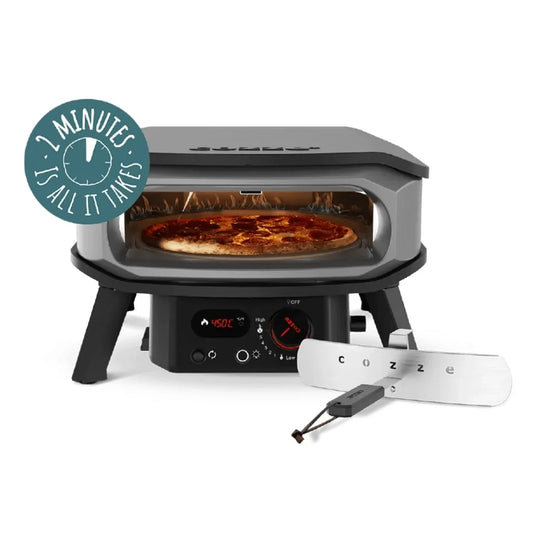
Start with the cooking setup you need, not just the oven’s headline price. A well-chosen compact oven can suit regular pizza nights, but fuel, supporting furniture and essential tools may add to the total. Compare the selected model and variant at its current price, and distinguish complete ovens from accessories or add-on cooking attachments.
Budget for the complete setup
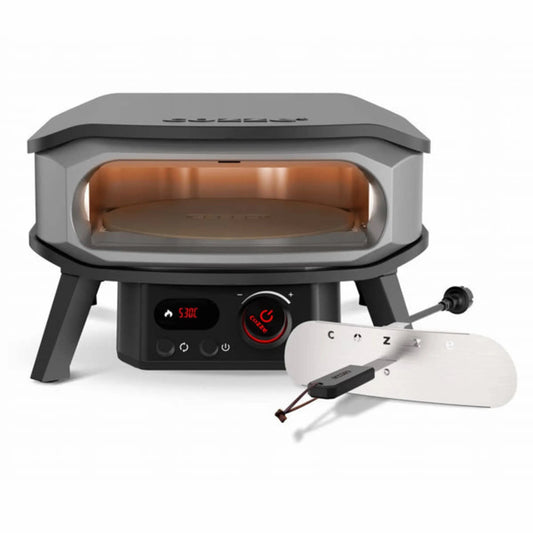
Check exactly what comes in the box before allocating your budget. A peel, suitable stand, cover, regulator, hose or fuel supply may be included, optional or bought separately. An accessory shown beside an oven is not necessarily part of the package. Compare like-for-like totals rather than treating the appliance price as the cost of getting ready to cook.
Choose additions around compatibility and need. A correctly sized launching peel can be more useful at the outset than several specialist extras. A supporting table must meet the oven’s load, stability and heat requirements; an ordinary garden table is not automatically suitable.
Choose a fuel you are comfortable using
Gas models offer adjustable burner control without tending a solid-fuel fire. Confirm the specified gas type, regulator, operating pressure, hose and cylinder connection. Check which components are included and do not assume every oven accepts the same LPG cylinder or can be converted to natural gas.
Wood, pellet and charcoal appliances have different firing methods and fuel requirements. Use only the fuels approved for the exact model, not whichever solid fuel is easiest to obtain. Account for dry storage, lighting, tending the fire and safe ash handling when comparing convenience.
Electric ovens need the specified electrical supply and an approved cooking location. Electric does not automatically mean suitable for indoor use, a balcony or a covered area. Follow the model’s installation instructions and any restrictions on extension leads, adaptors and weather exposure.
Compare usable space rather than household-size promises
Check the cooking floor and door opening alongside the stated pizza diameter. A 13-inch or 17-inch label describes size, not a fixed number of people the oven can serve. Room to launch and turn a pizza can be as important as the largest diameter that fits.
Think about serving pizzas in succession. One pizza at a time can work for a group, provided you are comfortable preparing and cooking throughout the meal. Floor recovery between bakes, working space and ease of handling all affect that routine. In direct-fired designs, allow space for the fire as well as food.
What a rotating stone does and does not do
Selected ovens use a rotating cooking surface to reduce manual turning. Compare the exact model’s controls, power requirements and permitted pizza size. You still need to launch and remove food correctly, monitor the bake and follow the loading instructions.
Rotation is not a guarantee of evenly cooked food or a substitute for preheating. Choose it for a feature you value, then compare the whole appliance rather than assuming it is always the best use of a limited budget. Check the care and replacement requirements for moving components too.
Look beyond maximum temperature
Compare the intended cooking method, usable temperature range and control arrangement. A maximum temperature alone does not tell you how well the base and toppings will cook together. Preheat according to the instructions and give the cooking floor time to heat, not just the chamber.
A built-in thermometer or display may not measure the surface beneath your pizza. Where recommended, an appropriate infrared thermometer can help check the floor. Dough thickness, toppings, positioning and excess launching flour affect results, so expect to learn the behaviour of the oven rather than rely on a universal cooking time.
Check location, moving and storage before buying
Measure the full appliance and required clearances, including any flue and door movement. An affordable or compact oven still needs a suitable location away from nearby materials as specified. Do not use an outdoor oven in an enclosed room or an unapproved sheltered arrangement.
If you plan to store the oven after each session, check its weight, lifting instructions and packed dimensions. Move it only when cool and disconnected as required. Use a cover only after cooling, and follow any dry-storage requirements rather than assuming outdoor use means unrestricted year-round exposure.
Compare multifunction products and accessories carefully
A pizza attachment, an oven-and-air-fryer appliance and a dedicated pizza oven serve different purposes. Check the approved configuration, supplied components and cooking dimensions before comparing prices. Additional functions are useful only if they match how you intend to cook.
Other foods depend on the model’s instructions, chamber space and suitable cookware. Follow the prescribed cleaning method for the stone, heating area and any grease collection. The absence of wood ash does not remove the need to clear food residue and maintain the appliance.
For a wider comparison, browse the full pizza oven range. Compare the complete setup cost and the features you will use, rather than assuming a higher price or larger oven is automatically the better choice.