Collection: BBQs & Grills

BBQs & Grills – Outdoor Cooking for UK Gardens & Patios

Fire up flavour with our BBQs and grills, designed for UK gardens, patios, and outdoor entertaining. This collection includes charcoal BBQs, wood‑fired grills, portable barbecues, and multi‑functional cooking stations to suit every space and style. Crafted from durable, weather‑resistant materials such as steel and cast iron, our BBQs deliver long‑lasting performance and authentic cooking results. Whether you’re hosting a summer party, enjoying a family meal, or experimenting with new recipes, our BBQs and grills combine practical features with stylish design for unforgettable alfresco dining all year round.

332 products

BBQs & Grills: Find the Right Type for How You Actually Cook

The gap between a £300 BBQ grill and a £700 one is rarely about burner count or flame aesthetics; it is the gauge of the steel, the quality of the ignition system, and whether the grates will still sit flat after two British summers of rain and rust. Knowing which type of BBQ suits your cooking habits, your outdoor space, and your tolerance for setup time is more useful than any comparison of brand names. This page gives you the criteria to match the right grill to your situation, whether that is a weeknight gas cook or a slow Saturday session on a pellet smoker.

Gas or Charcoal: Which One Fits How You Actually Cook?

Gas BBQs are ready in under ten minutes, hold a consistent temperature with a turn of a knob, and clean up without managing ash. If you cook outside twice a week and want to get on with it, a gas BBQ is the sensible default, not a compromise. The distinction worth knowing is that gas delivers radiant heat from below, which suits direct grilling well, but it does not replicate the convective heat environment you get inside a ceramic kamado or a covered pellet BBQ.

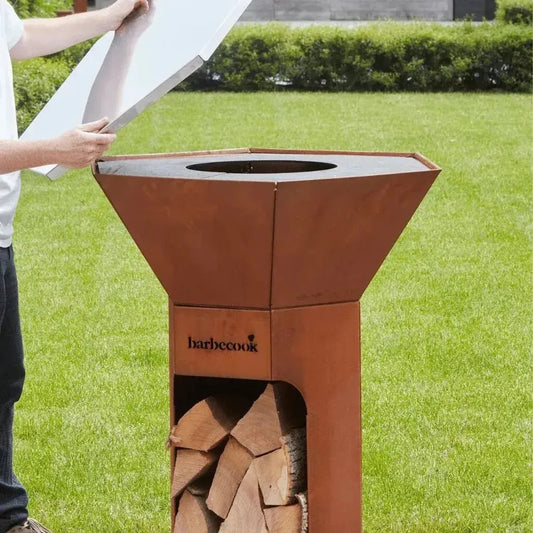
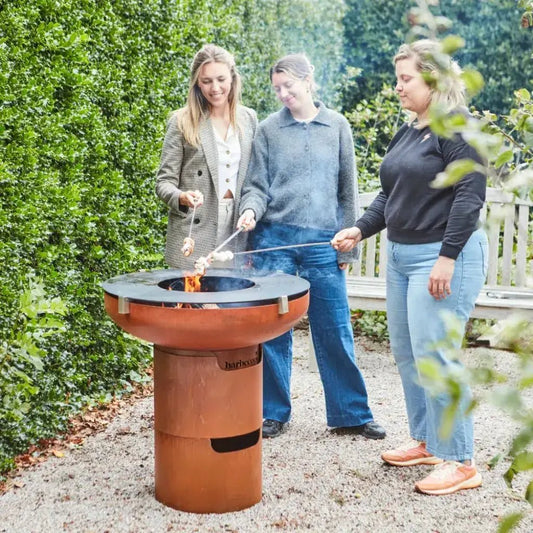
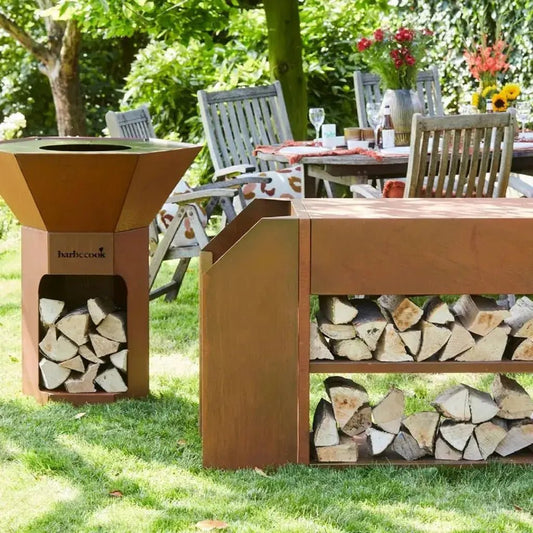
Charcoal, whether in a kettle grill, a masonry BBQ, or a wood BBQ, takes fifteen to twenty minutes to come to temperature and asks you to manage airflow throughout the cook. That involvement is not a drawback if the ritual is part of what you enjoy. Charcoal does produce a different flavour profile, particularly when you use hardwood lumpwood, and it reaches searing temperatures that most gas burners do not match.

Pellet BBQs: Precision Without Babysitting the Fire

A pellet BBQ feeds compressed wood pellets into a firebox automatically, controlled by a digital temperature dial. You set a temperature, and the grill holds it. That precision suits long cooks: brisket, pulled pork, ribs, anything where a 20°C swing matters. The trade-off is that pellet BBQs need a mains power supply and a stock of pellets on hand; wood pellet BBQs are not the right choice for the end of the garden with no outdoor socket.

If repeatability is your priority, cooking the same rack of ribs to the same result every time, a pellet grill earns its place. If you cook on weekends occasionally and want simplicity, gas remains easier.

Electric BBQs: The Practical Answer for Balconies and Covered Spaces

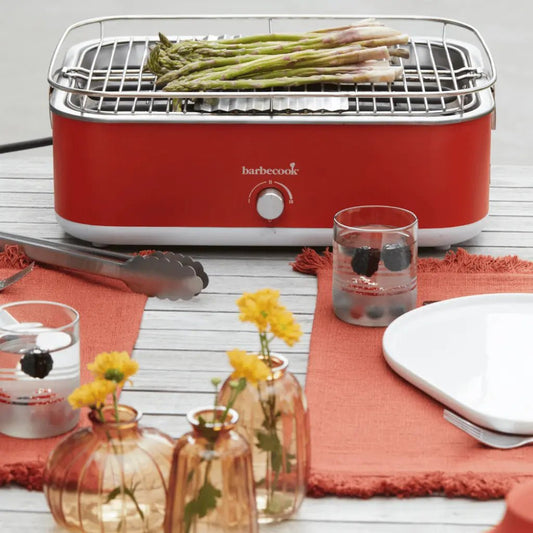
Electric BBQs do not produce combustion, which makes them legal to use on most apartment balconies and in covered areas where gas and charcoal are restricted. Electric tabletop BBQs, in particular, are compact enough for small terraces and kitchen extensions. The cooking result differs from fire-based grilling; you lose the smoky note and the high-radiant-heat sear, but for consistent grilling of chicken, vegetables, and fish without the setup of a full outdoor cook, an electric BBQ is a functional and underrated choice.

Portable and Tabletop BBQs: Right for Some Setups, Limiting for Others

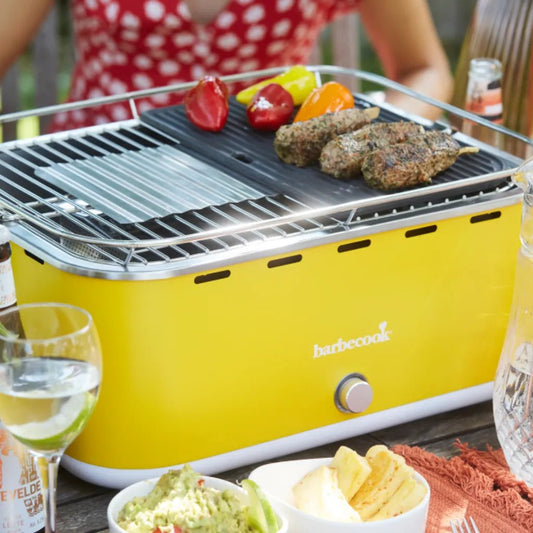
Portable BBQs and tabletop BBQs suit two distinct situations: camping and travel, or small urban gardens where a full-size unit is simply too large. A tabletop pellet BBQ gives you wood-smoke cooking at a compact footprint, useful if you want pellet results without the floor space. Portable BBQs in the value BBQ category can be charcoal or gas, and the difference in durability is visible in the thickness of the legs and the quality of the grate welds. A portable BBQ bought primarily for price often works for a season or two and degrades quickly.

If your garden can accommodate a standard freestanding grill, a tabletop unit will limit you in terms of cooking surface and airflow management. Tabletop BBQs are best treated as a secondary or travel grill rather than a household's main outdoor cooker.

Italian BBQs and Masonry BBQs: Built-In Performance for the Long Term

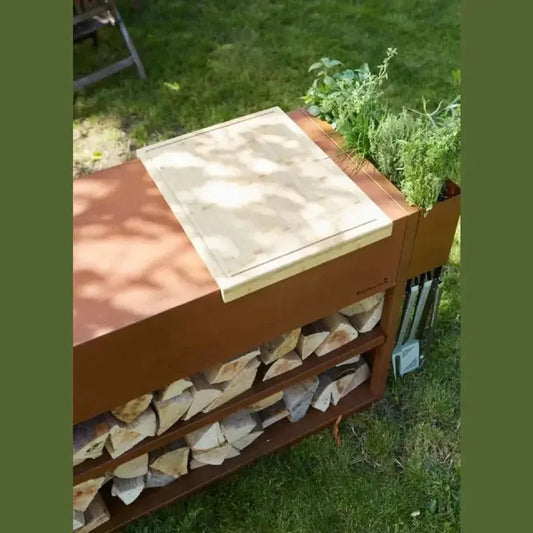
Italian BBQs and masonry BBQs are the permanent end of the category. A masonry BBQ built into a garden wall or outdoor kitchen is not a purchase you move around; it is infrastructure. These units typically use wood or charcoal and deliver excellent heat retention because the mass of stone or brick holds temperature across a long cook. Italian BBQs often combine this masonry approach with refined steel cooking surfaces, engineered for open-fire cooking at high heat.

Built-in BBQs, whether gas, charcoal, or pellet, are designed to sit flush in an outdoor kitchen unit. If you are specifying a garden build, this is the category to look at. If you want flexibility to move the grill or take it to a different property, a built-in is the wrong direction.

FAQs

A gas BBQ is the most practical choice for regular midweek cooking; it heats in under ten minutes and holds temperature without managing airflow. For weekend sessions where flavour is the priority, charcoal or wood gives better results.

Electric BBQs are the right choice where open flame is restricted, such as on balconies, covered pergolas, or rented properties. They do not replicate the smoke note of a fire-based grill, but electric tabletop BBQs are the only compliant option in many urban settings.

A pellet BBQ feeds wood pellets automatically and holds a precise set temperature without manual adjustment - usually being electronically controlled, even by an app. A charcoal BBQ requires you to manage vents and fuel throughout. Wood pellet BBQs suit longer cooks where consistency matters more than hands-on involvement.

Most value BBQs in the portable category are built for occasional or travel use, not daily cooking over several seasons. If you cook outside regularly, a full-size freestanding or built-in BBQ will outlast a portable unit and give you more usable grate space.

A 13 kg propane cylinder typically lasts eight to twelve hours of active cooking, enough for most of the summer on weekend-only use. If you cook frequently or host large groups, keep a spare to hand.