Choosing a pizza oven stand for your setup
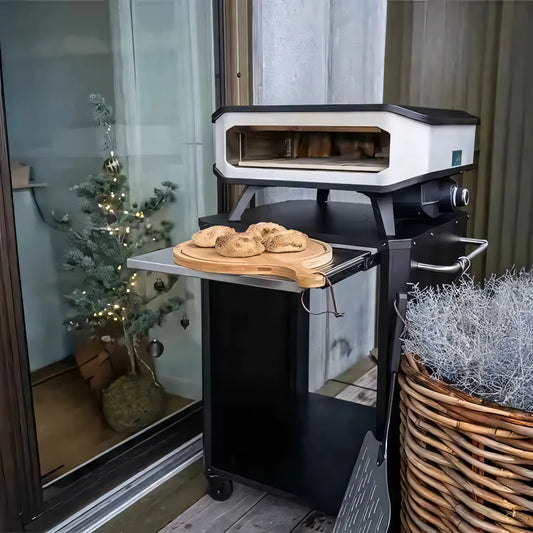
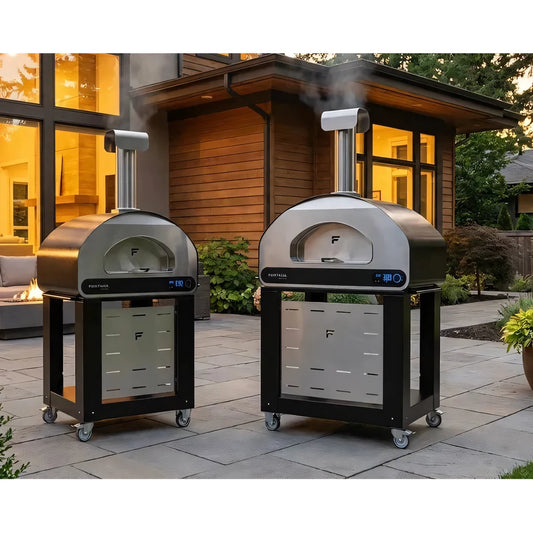
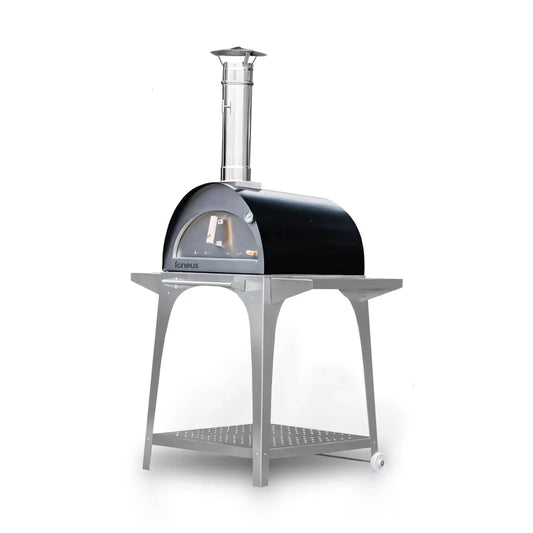
Choose a stand around the exact oven, its installation requirements and the space in which you cook. A model-specific base, wheeled trolley and preparation table serve different purposes. Compare support, working reach and usable space rather than assuming every product described as a pizza oven stand offers the same fit or flexibility.
Check model compatibility first
Start with the stand’s listed compatible ovens and versions. A matching brand or similar footprint does not establish that the combination is approved. Check any mounting points, securing brackets and assembly requirements, including whether the necessary fittings are supplied.
For a general-purpose table, confirm that both its specification and the oven instructions allow the proposed use. Do not rely solely on the top looking large enough. Feet, heat clearances, ventilation and the arrangement beneath the appliance can all affect suitability.
Compare load limits and usable support
Check the stand’s rated load and any separate limits for shelves, side tables or extensions. Account for the oven and any other equipment placed on the stand. Do not treat a shelf’s rating or a quoted overall load as permission to load every surface in any arrangement.
The oven must sit in the prescribed position without unsupported feet or unintended overhang. Follow assembly instructions and any requirements for restraints or securing points. Use the stand on a stable, level surface suitable for the combined setup, not soft or uneven ground unless explicitly permitted.
Plan the actual cooking height and reach
Consider the height of the oven’s cooking floor and opening once it is on the stand, rather than the stand height alone. Choose an approved combination that lets you see and reach the cooking area comfortably while using the appropriate peel.
Allow space to launch, turn and remove pizzas, open the door and handle hot cookware. The right position should also leave the oven’s required clearances from nearby materials and overhead structures. Do not alter the stand or add an improvised platform to change height unless the manufacturer permits it.
Wheels are for approved repositioning, not moving a hot oven
Check whether the stand is designed to move with the oven fitted and what surface and handling restrictions apply. Castors do not make every heavy oven easy to transport, particularly across steps, slopes or rough ground. Follow the specified procedure and use the assistance required.
Only move the setup when the appliance is cool and disconnected as instructed. Route hoses and cables so they are not stretched, trapped or dragged, and secure doors or removable parts where required. Engage brakes or other restraints as directed before cooking; wheels are not a substitute for stable positioning.
Treat gas-cylinder and fuel storage as model-specific
Use a cylinder holder or compartment only where the stand and oven instructions approve that arrangement. Confirm the permitted cylinder size, ventilation, hose routing and clearances. A cupboard, shelf or space directly beneath the oven is not automatically an approved cylinder location.
Keep wood, packaging and other combustible items outside the appliance’s specified clearances. Storage capacity is not the same as approval to keep fuel close to a hot oven. Leave access to connections and shut-off points as required by the exact setup.
Separate preparation space from appliance support
Check how much working surface remains after the oven is fitted. A side shelf may be useful for tools or serving, but it is not necessarily suitable for stretching dough or supporting heavy cookware. Confirm each surface’s intended use, load limit and cleaning requirements.
For direct food preparation, use a surface or board intended for food contact and keep it clear of hot equipment. Plan where the peel, toppings and finished pizzas will go without crowding the oven mouth. A separate preparation table may be more practical than expecting a compact stand to do everything.
Plan covers, storage and routine care
Check whether the stand is intended for outdoor use and what protection or storage it requires. Outdoor construction does not mean unrestricted exposure all year. Follow the specified cleaning method for the finish, fittings and castors, and inspect assembly points as directed.
If buying a cover, confirm whether it is designed for the oven alone or the complete oven-and-stand configuration, including shelves and flue. Fit it only after cooling and follow moisture-management instructions. A cover does not replace any requirement for dry storage or additional shelter.
Complete the setup with compatible pizza oven covers and browse all pizza oven accessories. If you are still choosing the appliance, compare countertop pizza ovens before selecting its support.