-
Vendor:Martinsen
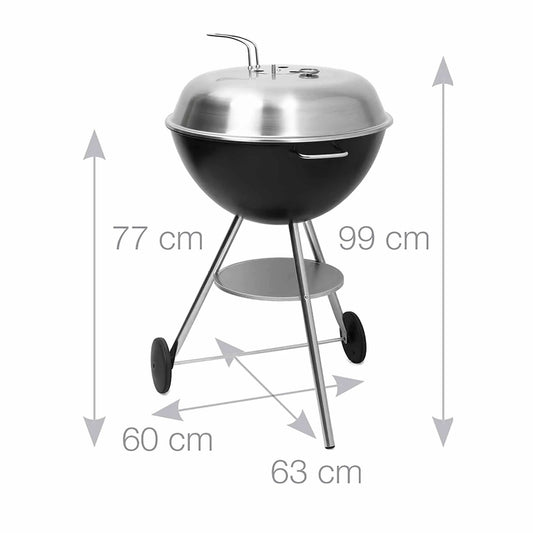
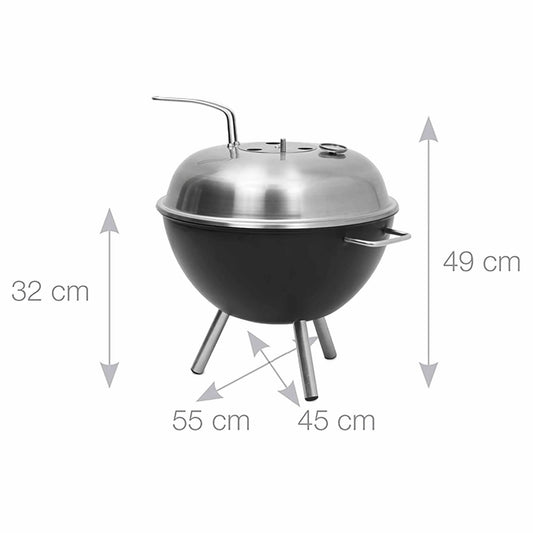
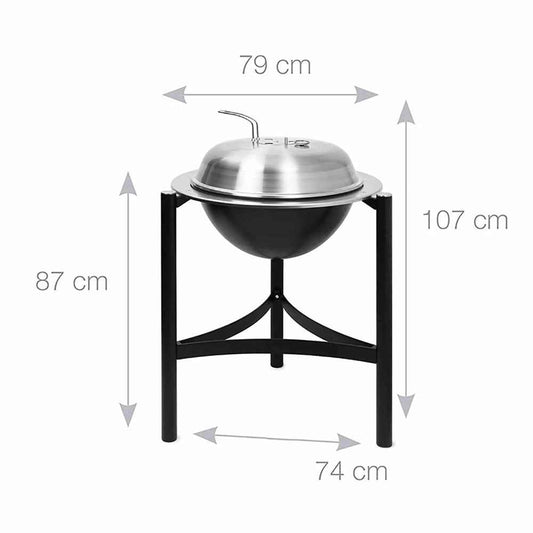
Martinsen 1600 Kettle BBQ| 109 004
Regular price £209.00Sale price £209.00 Regular priceUnit price per -
Vendor:Martinsen
Martinsen 1000 Kettle BBQ | 109 000
Regular price £269.00Sale price £269.00 Regular priceUnit price per -
Vendor:Martinsen
Martinsen 1400 Kettle Barbecue | 109 001
Regular price £309.00Sale price £309.00 Regular priceUnit price per -
Vendor:GRLLR
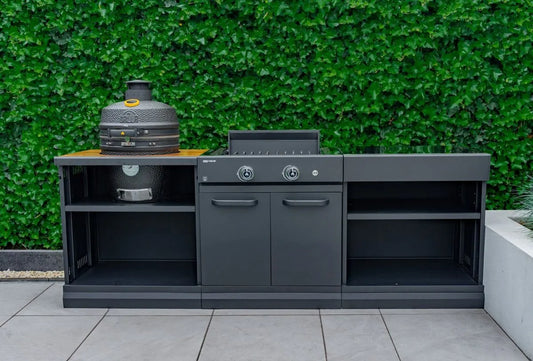
GRLLR Ember Classic 18 inch Kamado Grill | Matte Black built in | GR-24-EMB-18-CB-BI
Regular price £1,099.00Sale price £1,099.00 Regular priceUnit price per£1,149.00Sale -
Vendor:Martinsen
Martinsen 1300 Kettle Barbecue | 109 008
Regular price £199.00Sale price £199.00 Regular priceUnit price per -
Vendor:Martinsen
Martinsen 1800 Kettle Barbecue | 109 502
Regular price £399.00Sale price £399.00 Regular priceUnit price per -
Vendor:Martinsen
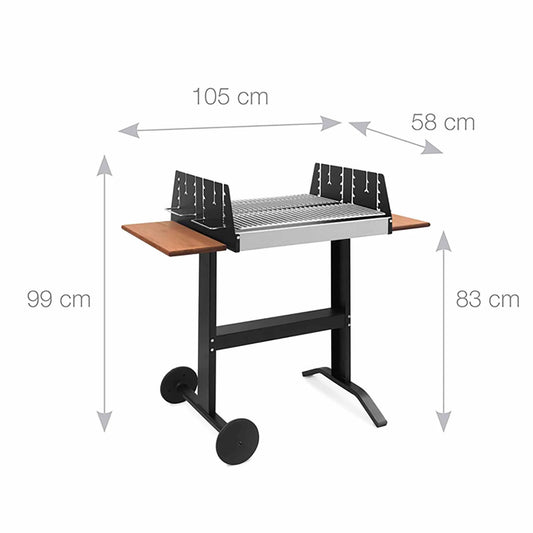
Martinsen 5000 Charcoal Barbecue | 102 623
Regular price £249.00Sale price £249.00 Regular priceUnit price per -
Vendor:Martinsen
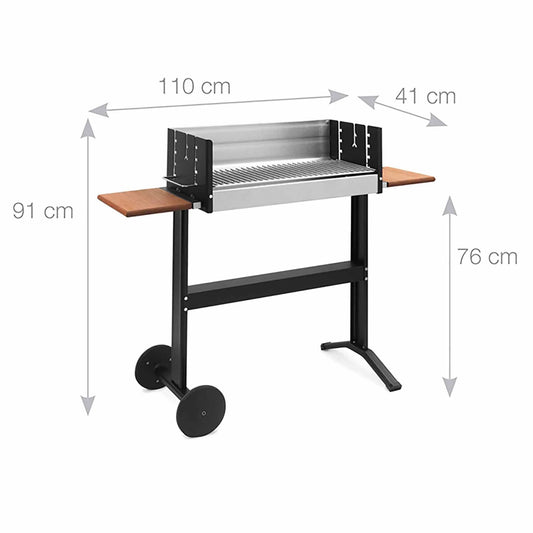
Martinsen 5300 Charcoal Barbecue | 104 611
Regular price £179.00Sale price £179.00 Regular priceUnit price per -
Vendor:Martinsen
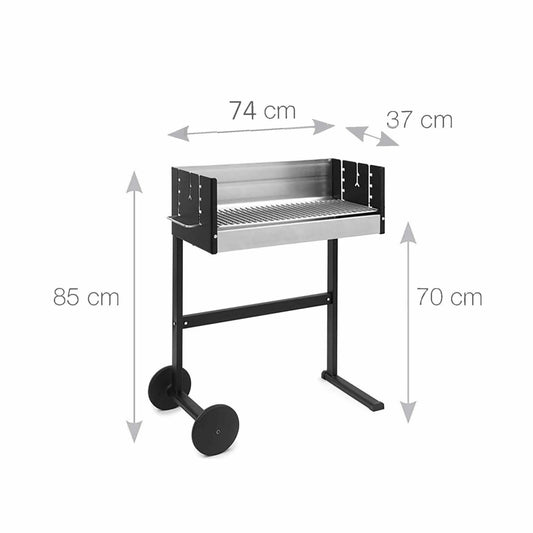
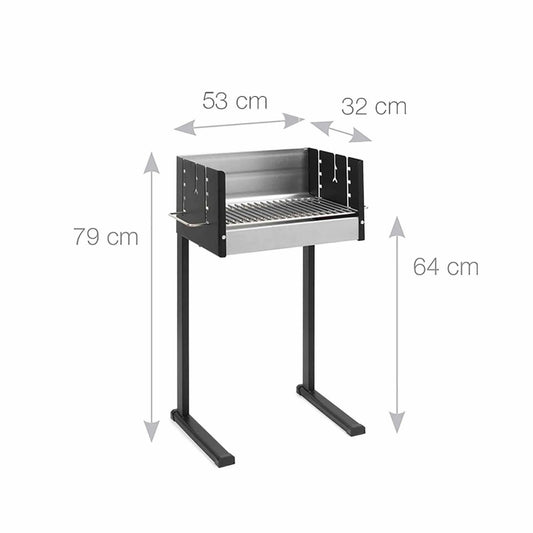
Martinsen 7400 Charcoal Barbecue | 101 621
Regular price £129.00Sale price £129.00 Regular priceUnit price per -
Vendor:Martinsen
Martinsen 7200 Charcoal Barbecue | 101 502
Regular price £109.00Sale price £109.00 Regular priceUnit price per -
Vendor:Martinsen
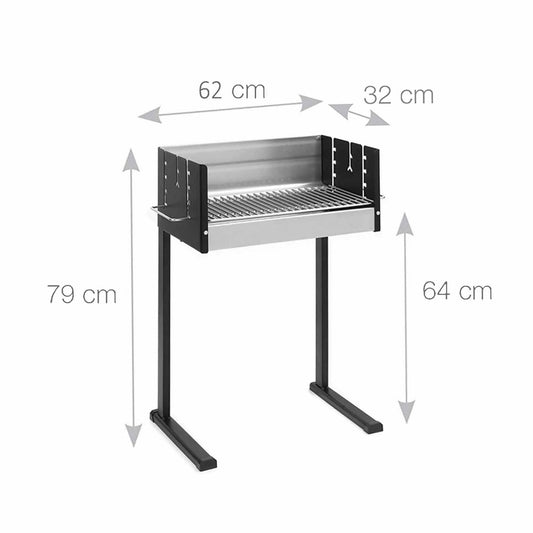
Martinsen 7100 Charcoal Barbecue | 101 501
Regular price £99.00Sale price £99.00 Regular priceUnit price per -
Vendor:Martinsen
Martinsen 7000 Charcoal Barbecue | 101 422
Regular price £89.00Sale price £89.00 Regular priceUnit price per -
Vendor:Sunstone
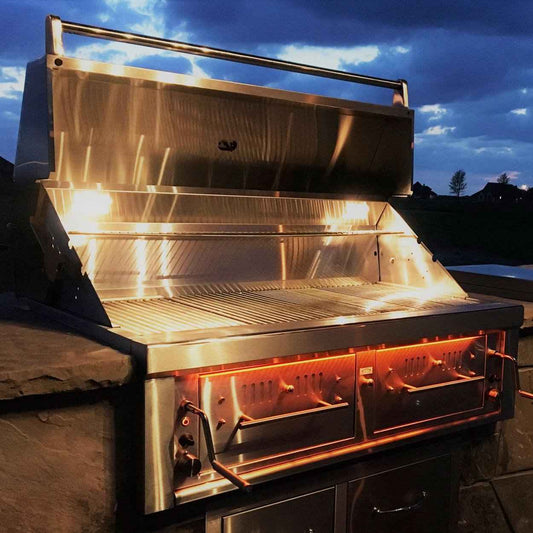
Sunstone 42″ Charcoal & Wood Hybrid Dual Zone Grill | SUNCHDZ42
Regular price £4,599.00Sale price £4,599.00 Regular priceUnit price per£4,949.00Sold out -
Vendor:Moddern Kamado
Moddern Kamado Complete Wood | MKGLCW
Regular price £1,399.00Sale price £1,399.00 Regular priceUnit price per -
Vendor:Sunstone
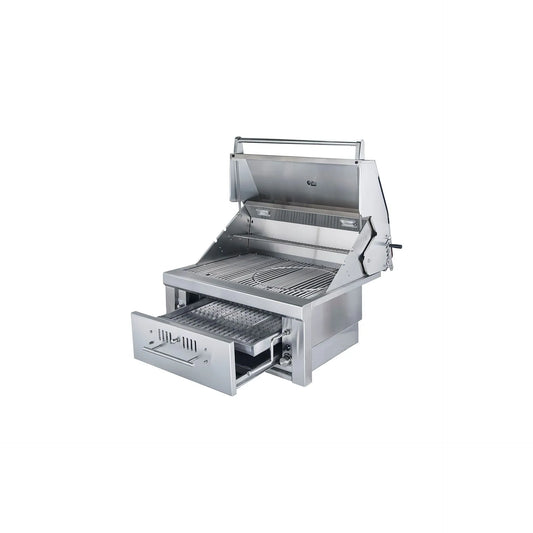
Sunstone 30″ Charcoal & Wood Hybrid Single Zone Grill | SUNCHSZ30
Regular price £3,399.00Sale price £3,399.00 Regular priceUnit price per£3,739.00Sold out -
Vendor:Moddern Kamado
Moddern Kamado Complete Aluminium | MKGLCA
Regular price £1,399.00Sale price £1,399.00 Regular priceUnit price per -
Vendor:Moddern Kamado
Moddern Kamado Solo Midnight Black | MKBLS
Regular price £1,299.00Sale price £1,299.00 Regular priceUnit price per -
Vendor:Moddern Kamado
Kamado Solo Olive Green | MKGLS
Regular price £1,299.00Sale price £1,299.00 Regular priceUnit price per -
Vendor:Buschbeck
Buschbeck Zurich Masonry Barbecue | ZURICH
Regular price £859.00Sale price £859.00 Regular priceUnit price per£929.00Sale -
Vendor:Buschbeck
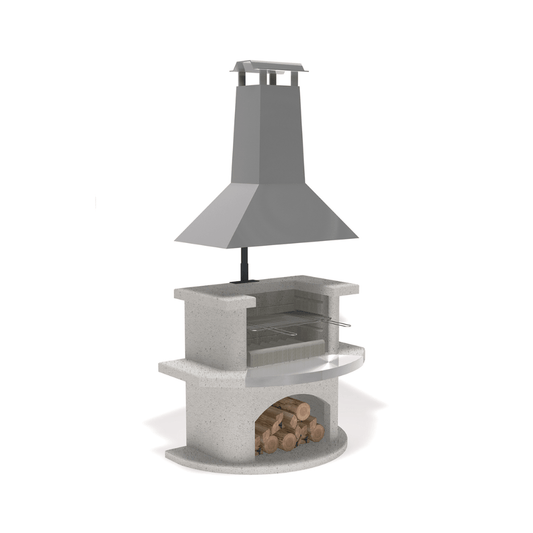
Buschbeck Venedig Masonry Barbecue with Stainless Steel Hood | VENEDIG_SSH
Regular price £859.00Sale price £859.00 Regular priceUnit price per£929.00Sale
Charcoal & Wood BBQs: Real Heat, Real Flavour, No Shortcuts
Charcoal and wood-fired BBQs take fifteen to twenty minutes longer to reach temperature than gas, and do involve some ash cleanup. But on every other measure that matters to serious outdoor cooks, they outperform. A charcoal BBQ grill reaches searing temperatures above 300°C that most gas burners cannot sustain, and wood-burning BBQs add a smoky compound to the food that no gas flame replicates. If you cook outside regularly and flavour is the reason, this is the category worth understanding properly.
Why Does Charcoal Beat Gas for Searing and Smoke?
A charcoal barbecue produces radiant heat, convective heat, and combustion gases simultaneously, and it is that combination that produces the Maillard reaction crust on a steak or the rendered bark on a rack of ribs that gas simply does not achieve at the same level. The key variable is fuel type: lumpwood charcoal burns hotter and cleaner than briquettes, reaches temperature faster, and leaves less ash. Briquettes burn longer and more evenly, which suits lower indirect cooks. Knowing which to use for a given cook matters more than which brand of charcoal BBQ grill you choose.
Airflow management is the skill that separates a good cook on charcoal from a frustrating one. Vents at the base control oxygen supply to the fire; vents at the lid control heat retention and smoke draw. A charcoal barbecue with well-engineered vents properly sized and sealing cleanly gives you genuine temperature control. A cheap unit with ill-fitting vents does not, which is why the quality of the damper system is one of the first things worth examining when comparing charcoal BBQs.
Wood BBQs: Fuel Choice Changes the Flavour Completely
Wood BBQs operate on the same convective and radiant heat principle as charcoal, but the fuel introduces a flavour variable that charcoal alone cannot match. Oak produces a strong, long-lasting smoke well suited to beef and lamb. Apple and cherry wood give a milder, slightly sweet smoke that works with pork and poultry. Hickory is intense, correct in small amounts with brisket, overpowering if overdone. The wood species is not an aesthetic choice; it is a cooking decision that changes the result on the plate.
Outdoor wood-fire BBQs typically require a larger firebox than charcoal units to accommodate logs and manage airflow properly. They also produce more ash and require slightly more active management during the cook, adding fuel, adjusting positioning, and reading the fire. That involvement is not a disadvantage if you are cooking for the pleasure of the process as much as the outcome.
Kettle Grills, Kamados, and Open Grills: Which Format Suits Your Cooking
The kettle format, with a domed lid over a circular grate, is the most versatile charcoal BBQ design for a domestic garden. The dome creates a convective cooking environment that allows both direct grilling over coals and indirect cooking with the coals banked to one side and the food positioned away from direct heat. A cool charcoal BBQ setup for indirect cooking meat positioned away from the coals with the lid on turns a kettle grill into a capable smoker for larger joints.
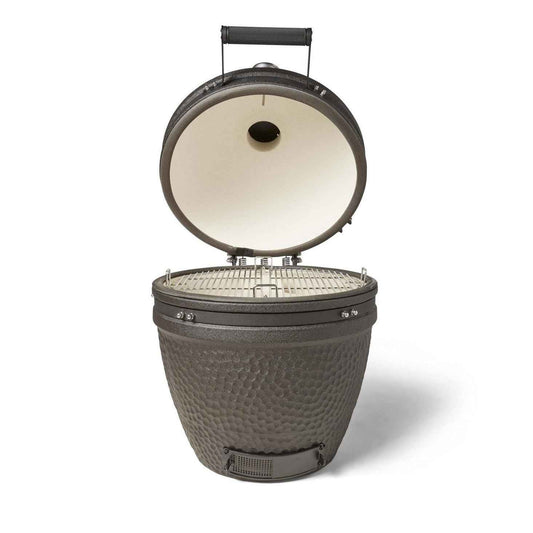
A kamado is the premium end of the best barbecue category: a thick-walled ceramic vessel that retains heat with exceptional efficiency and holds a set temperature for hours on a modest amount of charcoal. It suits the cook who wants to slow-roast, smoke, bake, or sear from a single unit. The ceramic wall thickness, typically 2–3 cm in quality models, is the specification to check; thinner walls lose heat faster and cycle temperature more erratically.
Open-grate wood BBQs and Argentine-style grills sit at the other end: no lid, direct fire, total cook control by raising and lowering the grate. These are confident cooks who want the spectacle and the charm of open-fire cooking rather than precision temperature management.